Viewing entries in
Pop

Michael Jackson – Bad (Album Review)

Michael Jackson – Bad (Album Review)

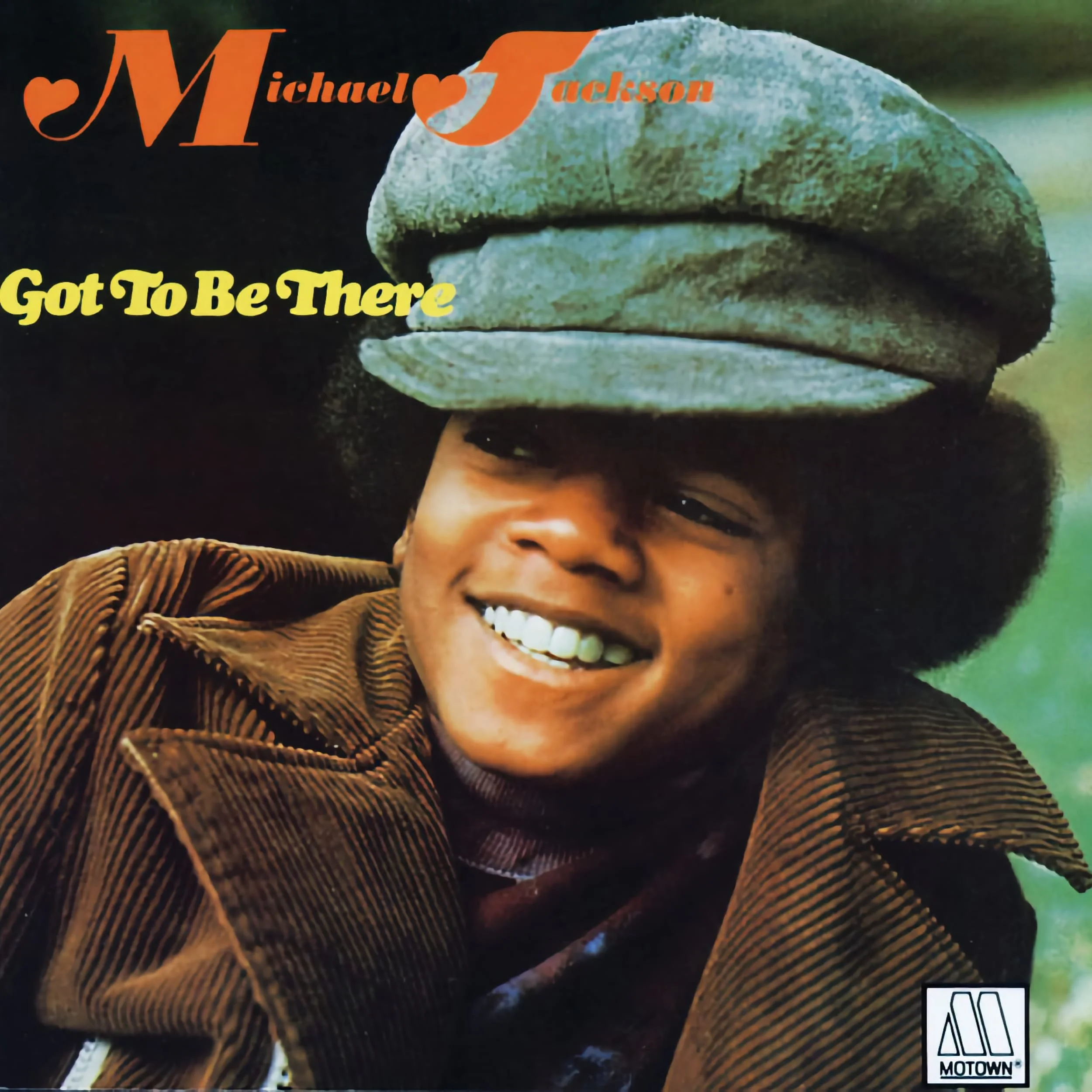
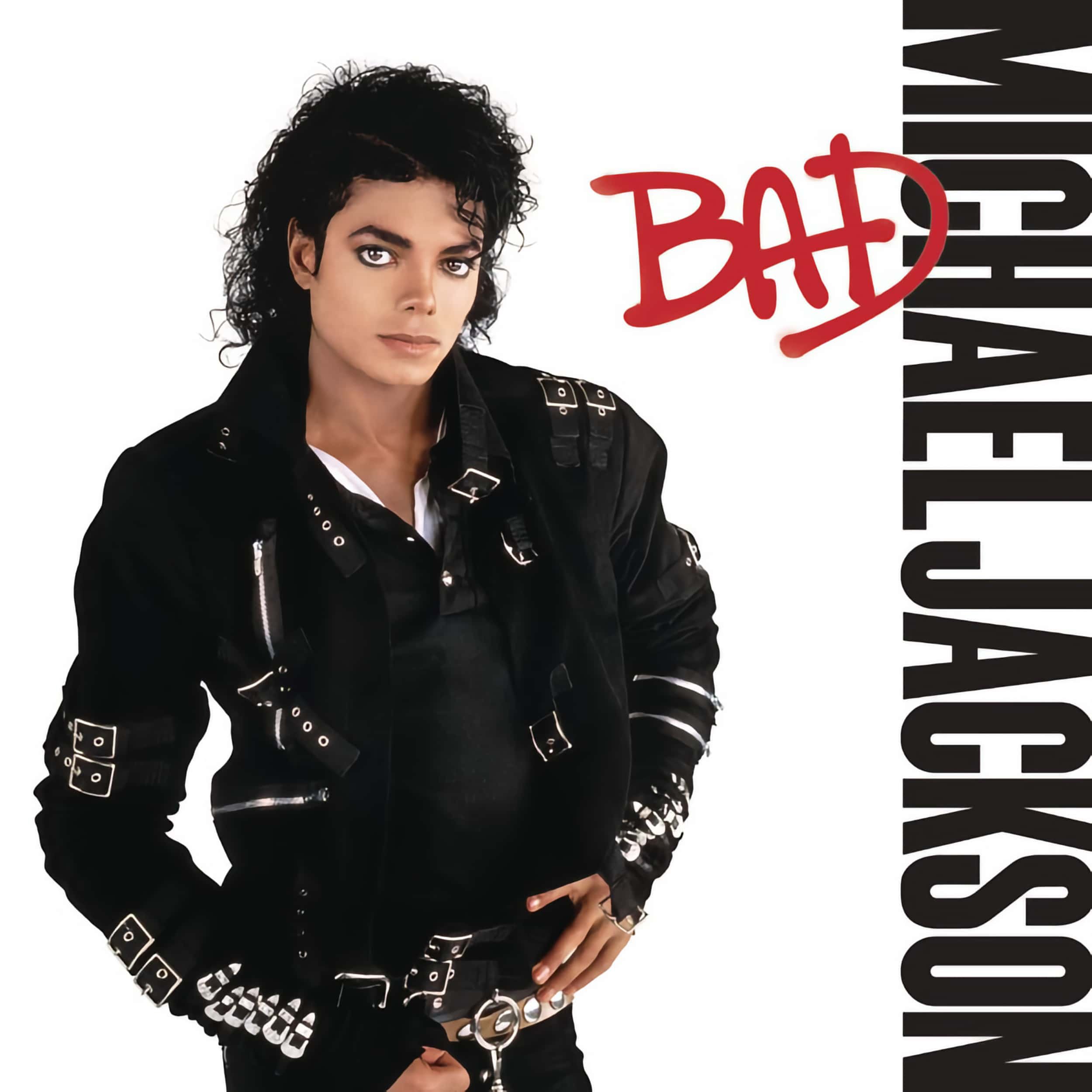
Topping Thriller was always going to be an uphill battle. While Bad may not have hit the heights of Thriller’s sales numbers, just like Off The Wall, I’d argue that it’s a stronger album than Jackson’s most iconic release. Of course, with sales exceeding 35 million worldwide, and five number one hits, Bad was an astronomical success in its own right and represents the pinnacle of Michael Jackson and Quincy Jones’ collaboration; a partnership that resulted in some of the greatest music ever recorded.

For anyone who has listened to the album or knows the hits, you’ll likely attest to just how extraordinary the music is. However, along with the new music came a new image, one that was considerably edgier and showed a rather different Michael Jackson. This shift would become particularly prevalent on songs such as Speed Demon, Dirty Diana, and Smooth Criminal, as Jackson’s musicality evolved with a greater focus on rock elements. Still, to call Bad a pop/rock record would be disingenuous because while it most certainly had those elements, it was primarily a pop (synth-pop) record that blended dance (disco and electronic vibes) and R&B, with a touch of rock. Upon further reflection, it’s easy to see Bad as a body of work in and of itself, with minimal influence from his time as frontman of both the Jackson 5 and The Jacksons. That isn’t to dismiss his incredible origins, but Jackson managed to do what few have done successfully: extract themselves from a successful group to launch a solo career that led to success and fandom beyond comprehension.

Naturally, part of this success must be attributed to Quincy Jones, as the three albums he produced with Jackson (including Off The Wall and Thriller) are arguably his greatest. While Jackson would continue to have incredible success with later releases, there’s no doubt that his collaboration with Jones was idealistic for both creatives, as Jones had never seen success of this calibre either. It was nothing short of a perfect match, and the high production values, pinpoint-perfect recording style, and overall mastering of the album have contributed to it being a timeless success.

While the latest 2012 Apple Digital Master is stunning, and simply sounds right via the Hi-Res Lossless presentation on Apple Music, several caveats will likely frustrate purists. This has nothing to do with the mastering or overall sound quality, but it’s the slight variances across editions that result in the latest offerings being different to those originally released. Credit for this additional information needs to be given to the good people over at Discogs, who have shared, in the notes, all the changes when compared to the original 1987 release of the album. The most notable change would be the omission of the spoken introduction for the song I Just Can’t Stop Loving You. Yet, despite playing the original cassette to death, I never noticed this or any of the other changes. Admittedly, it’s been a number of decades since I listened to the original release, as I no longer have that tape, but it perturbs me to know there’s a difference, and I was none the wiser. All that said, Bad is one of those albums that can be enjoyed via any variant, so let’s take a look at the songs that make up this legendary release.

Bad launches the album with a bombastic upbeat styling, yet despite how enjoyable the song is, the introduction has always been a little too sharp for my liking. It doesn’t detract from the album itself, but I usually make sure that the volume is lowered as I hit play. However, once the lyrics enter the mix and the rhythm begins to meld with my soul, Bad and its overall pop/rock attitude becomes an ideal album opener and a stunning title track that showcases Jackson’s shifting musical attitude.

The Way You Make Me Feel continues the energy and would have been a slightly more appealing opener, for that introduction is extraordinary. The sultry styling shows Jackson delving further into an attitudinal adulthood styling with this release, but it’s the rhythm and toe-tapping head-bopping brilliance that sets The Way You Make Me Feel apart from the album’s opener.

Speed Demon is one of the best songs from the record, and if you haven’t had a chance to check it out, take a look at the highly compelling music video. Aside from this aspect, Speed Demon’s strengths are based on the funk meets pop meets rock vibe, thereby making it another standout on an album that, in many ways, is akin to that of a Greatest Hits release.

Liberian Girl shifts the tempo considerably with a more atmospheric and smooth Caribbean styling. It’s the first time on the album that we hear Jackson’s gorgeous vocal in a softer tone, but it’s clear from the outset that for those who loved Jackson’s softer numbers on Thriller, they’ll feel right at home here. While Liberian Girl isn’t necessarily a standout, other than in composition and vocal delivery, it’s perfectly suited to the album and acts as connective tissue. It is interesting, however, that it was chosen to be the final single from Bad, for I believe it would have been best had Leave Me Alone been the final single released, particularly as it wasn’t included on the vinyl or cassette releases. Nevertheless, Liberian Girl is a lovely song.

Just Good Friends has a rough opening, but I’ll be damned if I don’t declare my love for this song. The funk, the synthetic instrumentation, and incredible lyrics and delivery ensure Just Good Friends has a little bit of everything, including a killer performance from Stevie Wonder. Interestingly, Just Good Friends was written by neither Jackson nor Wonder, yet it’s perfectly suited to both performers.

Another Part Of Me flows seamlessly and introduces a bolder funk aspect. There’s no doubt that Quincy Jones’ production cues can be heard throughout, but instead of the King Of Pop, Jackson should have been referred to, in this era, as The King Of Funk, for Bad, despite its harder edge, is a funk-driven musical wonderland with Another Part Of Me being a perfect example of this.

Man In The Mirror is one of Jackson’s most beautiful and powerful songs. As with Just Good Friends, Jackson didn’t pen this masterpiece, but there isn’t any other musician who could have recorded it better. It is a Michael Jackson trademark tune and is also one of the greatest songs ever recorded.

I Just Can't Stop Loving You may no longer have the spoken introduction, as it was edited out of most reissues, but in all honesty, it isn’t missed, and the flow between Man In The Mirror and I Just Can't Stop Loving You is far better sans the spoken word opening. As a pop-ballad, however, I Just Can’t Stop Loving You is a magical number. Siedah Garrett makes the perfect vocal counterpart to Jackson’s, thereby ensuring this is one of those timeless tunes that can appeal to anyone, for it’s a love song for the ages.

Dirty Diana takes things up a notch by delving back into the rock styling with guitar maestro Steve Stevens shredding up the song in a manner that is perfectly complemented by Jackson’s powerful vocal delivery.

Smooth Criminal is, arguably, one of Jackson’s most recognisable tunes. The tribal rhythm, combined with the song’s punchiness, tight basslines, and shimmering musical bed, creates a stunning soundstage, one that allows Jackson’s bullet-styled vocals to be perfectly positioned within the mix. In many respects, Smooth Criminal could be considered a textbook perfect song and, if nothing else, is amongst Jackson’s greatest and a highlight of the 80s.

Leave Me Alone is one of the most interesting songs Jackson ever wrote and recorded, but not because of the subject matter. The intriguing aspect is that it was exclusive to CD releases of the album and didn’t feature on original vinyl or cassette editions of Bad. As such, many of us, myself included, had to purchase the CD as well, for Leave Me Alone is such a compelling track that one couldn’t simply live without it. It makes me wonder, at times, just how many CD players were sold as a result of this exclusive bonus track. Nevertheless, despite Smooth Criminal being a perfect closer, Leave Me Alone takes the album to another level entirely. Additionally, if you decide to pick up one of the vinyl reissues of Bad, it’s important to note that the majority of reissues stay true to the record’s original linear structure, that is, unless you track down a copy of the Music On Vinyl reissue from 2009 that includes this brilliant closer.

While Thriller is given far too much focus within Jackson’s remarkable legacy, Bad is arguably his most defining album for the production, recording, and songwriting are all second-to-none. Most importantly, however, it showcased far more musical versatility than any of Jackson’s prior works; an aspect that was previously hinted at, but never quite achieved. The result is an album that is more than just a collection of chart-topping numbers, for this is a cohesive work that is nothing short of a musical masterpiece.

INXS – Kick (Album Review)

INXS – Kick (Album Review)

Few Australian albums are as widely regarded as the sixth studio album from INXS, Kick. While Icehouse garnered much attention with their 1987 release, Man Of Colours, it simply couldn’t reach the international acclaim and sales success that Australia’s other “I-based” rock band would achieve. Selling INXS (pun, most certainly, intended) of 20 million units worldwide, Kick stood out for its high production values that saw a diverse mix of rock and pop with funk-based tribal rhythms that led to what can only be considered a timeless collection of songs. Of course, there’s the ballad-focused Never Tear Us Apart, a highlight of this release, but despite the shifting styles throughout, INXS never deviated from their origins with Kick; they merely took their musical prowess to another level with a record that is akin to a greatest hits release, for there isn’t a lacklustre song to be heard.

Adding to the appeal is the striking album artwork, and while many modern listeners will instantly recognise the standard front-facing version, physical releases also incorporate an expanded artwork design that will appeal to just about any music-loving collector. What may be challenging, however, is figuring out which version best suits your personal tastes. As with many multi-million-selling releases, there’s a plethora of editions that target different audiences because, for some reason, the original mix and mastering is never good enough.

In order to simplify matters, however, I’m going to focus on the 2011 remaster, which is currently the edition that is readily available on streaming and recent mainstream CD and vinyl reissues. Yes, there are the audiophile releases, but they only further deviate from the goal of music first, hardware second, followed by the format; another John Darko idiom that appeals to this music lover. As such, I’ll be taking a look at the Lossless Apple Music stream and accompanying Dolby Atmos mix (both of which are delivered as an Apple Digital Master).

While I’m familiar with the original mastering from the 80s, as well as the 2011 stereo remaster that was released via CD, the Dolby Atmos mix is somewhat of a mixed bag, with most surround sound music lovers on QuadraphonicQuad.com awarding it a 7 out of 10 or higher. Naturally, when listening to these new mixes, one needs to separate oneself as much as possible from the stereo editions; a difficult task, no doubt, when an album is heading towards its fourth decade of being on one’s radar. Nevertheless, I find the Dolby Atmos mix to be an enjoyable listen with a full-bodied, natural sound that doesn’t detract from the original recording. Unlike some Atmos mixes from classic albums, this one doesn’t try to reinvent the wheel. You won’t instantly notice musical aspects flying around within the soundstage, and the stereo mix is so wide that some may even find the surround mix to be a little too boxed in, particularly on a song such as Devil Inside. However, and this is where the Atmost mix shines, it delivers a meatier (a technical term, naturally) sound that will appeal to those looking for concert-level thumping in one’s chest.

On the negative side of things, the bass guitar is a little too recessed in the surround mix, and I find that by the time I’m halfway through the album, I’m looking to turn the volume down slightly as the Atmos mix is a little fatiguing. Granted, I may have turned the volume up too loud to begin with, as this is one album that will give your sub a workout, but if you’re particularly sensitive to listening fatigue, you may wish to stick to the stereo mix; even though that 2011 remaster is a little on the loud side as well.

As to which edition I ultimately prefer, well, for the most part, I find myself drawn to the stereo mix. That said, this is one album where I can appreciate both the surround and stereo mixes, ensuring that it’s an enjoyable experience on both my stereo and surround sound systems.

Guns In The Sky is a killer album opener with a rhythmic drive and lyrical context that is as relevant in today’s modern society as it was upon the song’s release in the 80s.

New Sensation will get any party started with its funky upbeat nature. It’s pure pop/rock gold and a trademark tune for the band.

Devil Inside may introduce a moodier tone, but it’s extremely compelling, from both a sonic and lyrical perspective, as the story of excess and the fear of missing out is a timeless issue that we all have to deal with. It is, however, the killer riff, rhythmic backing, and the chorus that make Devil Inside so memorable, for it has a little bit of everything melded into a single song.

Need You Tonight is a magnificent tune. That rhythmic approach, particularly during the introduction, knows few peers, for the funk meets dance with a touch of rock and elements of pop results in one of the greatest songs from not only the 80s, but in all of recorded music history.

Mediate transitions seamlessly from Need You Tonight, so much so that they could, in some respects, be considered a singular tune with a stylistic shift in the middle of the composition. Nevertheless, Mediate on its own is a sonic pleasure to behold for the spoken-style of the lyrics blends perfectly with the back beat and the atmospheric elements of the mix.

The Loved One has always been divisive for this fan. Whilst I don’t dislike the song, and I consider Kick to be a perfect album experience from start to finish, the shrillness of The Loved One’s introduction can be a little jarring on the senses, particularly on the CD releases of the album. Thankfully, the Apple Digital Master dials the treble range back a little, thereby making it more palatable, but it’s been so jarring over the years that I somewhat cringe when I know the song is about to begin. Thankfully, as the song builds and the chorus is repeated, I’ve fallen in love with the tune and find it thoroughly enjoyable. It is, however, not an original INXS composition but rather a cover of The Loved Ones’ original from their album Magic Box; a solid recording in its own right.

Wildlife is the weakest song on this classic release, but it’s still highly compelling and will likely see you toe-tapping and head-bopping along to the rhythm. It just isn’t a standout, but as an album-only song that acts as connective tissue, it does its job more than adequately.

Never Tear Us Apart is a ballad to end all ballads. Yes, that can be said about so many ballads from the era, but this is one of the most recognisable, and if you’ve heard it once, then you’ll find yourself singing along to, arguably, their greatest recording. That is in part due to an incredible mix that presents Michael Hutchence’s vocal delivery incredibly clear at the forefront of the mix. Yet, it’s the entire arrangement and Kirk Pengilly’s saxophone playing that’s similarly impressive, adding to the overall impact of this timeless classic.

Mystify transitions beautifully, despite the song’s varied styling in contrast to Never Tear Us Apart. As you listen, you may hear a little Crowded House influence, but Mystify could be best described as the most Australian song on the album, for there are also influences from the likes of Icehouse and Cold Chisel, thereby ensuring that Mystify will appeal to just about any Australian music lover.

Kick is a bold and brash title track that keeps the energy of the album rocking forward. Pengilly’s saxophone performance here is compelling, but depending on your setup, it can come across a little too shrill, thereby edging the listener towards listening fatigue. Still, the spirited performance flows well within the album’s linear structure and adds to the overall appeal of the record.

Calling All Nations has some killer guitar licks that meld well with the dance-driven styling of this tune. It really is a case of two dissimilar musical aspects coming together for the greater good of the song. While it’s not necessarily a standout, all songs need not be hit-worthy to ensure the flow and overall album experience is maintained.

Tiny Daggers is a fantastic closer, one that has a little Bruce Springsteen influence, that will compel you to play the album again, as Kick is one of those records that can seldom be listened to once.

No matter which way you look at it, Kick remains fresh, compelling, and one of the greatest albums ever released. It also happens to be the crowning achievement of INXS’ career and proves that a blend of rock, funk, and pop is a killer combination that continues to captivate us as much today as it did upon its release in 1987.

ICEHOUSE – Man Of Colours (Album Review)

ICEHOUSE – Man Of Colours (Album Review)

When Man Of Colours hit record stores in September 1987, it immediately hit the top of the charts for 11 weeks, went 7x platinum in Australia, and won two ARIA (Australian Recording Industry Association) Awards in 1988. Yes, on the world scale, that may not seem overly impressive for our international readers, but success like that for an Australian band, in their own backyard, is often unheard of. However, it didn’t come out of nowhere and was a slow buildup for the band as Icehouse had been an active member of the Australian Music scene since their debut release, Icehouse, under their original band name, Flowers, in 1980, and was a musical force never to be underestimated with Man Of Colours being their crowning achievement.

This era would, ultimately, be Icehouse’s most successful, with worldwide sales of Man Of Colours exceeding 795,000 units worldwide. To say they were also at their creative peak would be an apt assessment, but that statement also negates the masterstrokes of creativity throughout the band’s entire career. Still, it’s difficult to deny the album’s high production qualities, for Man Of Colours saw the band deviate slightly from the rawer new wave stylings of their earlier releases to a much more radio-friendly sound across the entire record. This sleek, synth-pop-focused rock style merged with a melodic overture that leaned strongly into the zeitgeist, ensuring that it was primed for success. In many respects, Man Of Colours was the right record at the right time, and while that doesn’t take away from the high-quality production and songwriting of this release, it does help with understanding why this album alone was such a standout success.

While the music itself is the most important aspect of any album release, the iconic artwork for Man Of Colours has ensured that this record has remained memorable throughout the years. Thankfully, Icehouse has always had exceptional cover art, and while variant releases go in and out of style, Man Of Colours would also feature inverted cover art, but you’ll need to seek it out as it remains out of print, much like the original tri-coloured vinyl release that fetches crazy money on the secondhand market. While the 2017 reissue attempted to appease those of us interested in a tri-colour record, it simply wasn’t the same. First world problems, I know, but music lovers and record collectors will attest to just how important these aspects are when adding to our collections. At least the solid colour reissues were done exceedingly well, even if they didn’t match the original releases with their transparent colour styling.

From a sonic perspective, while I’ve been fortunate to have listened to all mastering variants, from the original Australian cassette, to the 2002 remaster, to the latest 2012 remastered edition, I have to say that I am smitten with the latest release as Steve Smart, from Studios 301, remastered the latest releases so well that I now consider them to be the standard for Icehouse’s impressive back catalog and I do hope that they’re never remastered again as, to my ears, they sound perfect.

Speaking of perfection, the original album’s track listing, sans the bonus tracks, is the best way to appreciate this classic release. As such, below you’ll find a shared playlist with that intent. However, one can’t deny just how good the bonus material is, particularly Touch The Fire, and while I’d love to see Icehouse reissue the 1989 compilation Great Southern Land, which featured this incredible song and another new tune, Jimmy Dean, at least these songs can be heard on the fully featured reissue of Man Of Colours. Additionally, if you’ve only got the CD reissue, you may notice that it omits Track 18, Last Cut, a Simon Lloyd composition. It’s interesting that this has been included, particularly as Icehouse is primarily a vehicle for Iva Davies’ creativity, but it’s still an interesting inclusion on streaming and digital download versions of the record.

Crazy is the epitome of 80s rock in that the opening lick and sonic quality of the recording not only set the tone for the record, but are perfectly aligned with the era’s overarching style. Driven by synths and a melodic chorus that hooks you instantly, Crazy is amongst Icehouse’s most radio-friendly tunes and is a song that will see you coming back for more, for you’ve gotta be crazy if you don’t listen to this song, and the album, more than once.

Electric Blue is the perfect follow-up to Crazy and is Icehouse’s crowning achievement from Man Of Colours. Co-written with Davies and John Oates, Electric Blue is a pure masterpiece and is one of the most polished pop tunes in all of recorded music history. Oates, coincidentally, also performs backing vocals on this track, but it is Lloyd’s saxophone performance that takes the song to another level entirely, as this lush and melodic performance is pure perfection.

Nothing Too Serious is a short, punchy, tongue-in-cheek number that is a throwback to Icehouse’s new wave roots, while also melding a little funk and punk into the mix. The result is an energetic tune that will see you toe-tapping and head-bopping throughout.

Man Of Colours is a stunningly beautiful title track that will initially take you off guard as the atmospheric production, while extraordinary in its own right, is considerably different to the opening tunes on the record. Still, its contemplative nature is beautifully tracked and showcases some of Davies’ more classical arrangement skills as well as his talent on the oboe.

Heartbreak Kid transitions smoothly as it builds towards a slow-tempo rocker. The punchy synths and delicate edginess help keep the listener focused, but upon repeat listens, you’ll likely appreciate the various sonic layers that make up this unassuming tune, for Heartbreak Kid is stunning from the first note to the last.

The Kingdom continues the masterful production and songwriting, and while Icehouse’s 1990 follow-up, Code Blue, is my favourite album from the band, I have to admit that it doesn’t have the songwriting or production qualities that Man Of Colours has.

My Obsession is 80s pop/rock gold with addictively good hooks, an incredible vocal performance, and an arrangement that is highly compelling. It’s little wonder then that My Obsession was chosen as the album’s third single, for this song is another of Icehouse’s most radio-friendly numbers.

Girl In The Moon is unique in its styling for the production qualities, synth elements, and Davies’ vocal presentation, along with the mix, is something that has to be heard to be fully appreciated. Interestingly, Girl In The Moon would have been an ideal song for Crowded House, particularly during the Temple Of Low Men era, as there’s an undeniable synergy between styles.

Anybody's War picks up the pace significantly, yet despite its driving rhythms, Anybody’s War is perfectly positioned within the linear structure of the album, ensuring that you’re set up for the expansive experience that is the closing track.

Sunrise is a beautiful closer that allows for not only appreciation of the song, but contemplation of the entire record. Its complex, yet layered production, rewards repeat listens, and Davies’ vocal is arguably at his finest on this recording. The result is that Sunrise is a hidden gem contained within an extraordinary record that will compel you to play the album again.

Man Of Colours is undoubtedly a masterpiece, and while it would represent Icehouse’s most commercial release, the creativity of this 80s synth-pop/rock record knows few peers, for despite being released within a year of incredible heavy hitters from around the world, it not only stands out but is amongst the greatest albums of the era. While the hits will most certainly resonate with those of us who lived through the 80s, it really is the album-only numbers that ensure Man Of Colours is an exceptional album experience.

ABBA – Ring Ring (Album Review)

ABBA – Ring Ring (Album Review)

As far as debuts go, ABBA’s Ring Ring is highly compelling, offering a glimpse of a band that would ultimately take the world by storm. Naturally, at the time, it would have been just another release, by another band, but with the benefit of retrospect, we can see the origins of ABBA’s undeniable sonic characteristics that would continue to appeal to music lovers the world over.

While Ring Ring may not have the spit and polish heard on some of their later albums, there’s a natural charisma to this debut that remains captivating and, in some ways, as bewitching as the record’s artwork. Okay, so the cover art may be a little corny by modern standards, but the mirrored snapshot works exceedingly well in capturing your attention. It’s also far more appealing on the larger vinyl canvas; an impactful aspect that no streaming service can match.

While I thoroughly appreciate the Apple Music stream, presented as an Apple Digital Master, I’m also fortunate to own the 2020 vinyl reissue of The Studio Albums. I am pleased to report that that too is sonically beautiful and, as it pertains to track listing and artwork, it honours the original Swedish release whereby the Swedish version of Ring Ring (Bara Du Slog En Signal) is positioned as the album’s opener and the additional track on international versions, She’s My Kind Of Girl, remained absent as in it’s position on the original release was the English language version of Ring Ring.

Yes, dear reader, for those of us interested in the artist’s original intent, the plethora of reissues has complicated things. Interestingly, no matter which version you listen to, they’re all sequenced perfectly. It’s as if it was always meant to be that way. Still, the confusion associated with the various releases does little to appease one’s mind for the ultimate edition of Ring Ring is still a, somewhat, elusive proposition. With that in mind, however, this review will focus on the more readily available 12-track international edition, minus the bonus tracks that are included in the Bonus Tracks release; you’ve got to draw the line somewhere and I feel the core 12-track international release is ideal as it pertains to the flow and overall sense and style of Ring Ring.

As to which is sonically preferred, based on the two editions I have access to, I’ll give the stream a slight advantage, mainly due to the lack of surface noise and convenience it offers. Regardless, either of these options are about as good as you’re ever likely to hear Ring Ring sound and, yes, I have experience with earlier vinyl reissues that weren’t up to par and the CD Deluxe Edition, from 2013, that’s noticeably more shrill and fatiguing to listen to. Contrast that with the aforementioned versions and I can easily listen to Ring Ring for hours on end.

Ring Ring is corny, cliché, and quintessentially ABBA. Sometimes an addictive pop number is all that’s required and the lighthearted musical styling offers a perfect opening to the record and showcases ABBA’s knack for crafting, catchy, timeless tunes.

Another Town, Another Train may slow the tempo a little, but despite the more sombre styling, Another Town, Another Train, hints at the emotional depth and acoustic arrangements that would meld into ABBA’s more ballad-folk-styled ambitions. Regardless, this is a magnificent tune and showcases just how incredible the four core members were together, even in their early days.

Disillusion focuses on the vocal aspects of the recording and is amongst Agnetha Fältskog’s finest recordings. Coincidentally, Disillusion is the only song to have been penned by Fältskog that was recorded by ABBA for a studio release. Stunning is certainly one way to put it for while it may not be one of ABBA’s most well-known hits, and has never been included on a compilation release, it’s without a doubt, one of the greatest ballads ABBA ever recorded and deserves far more respect and attention than it often receives for this heartfelt performance is a standout.   

People Need Love is a solid tune with an upbeat tempo, harmonious vocals, and a positive perspective; an aspect that isn’t always at the forefront of music, but is a message that is needed now, more than ever, as contemporary society marches towards an uncertain future.

I Saw It In The Mirror is a tune that you’ll likely find yourself turning down if other people are within earshot. It isn’t a fundamentally bad song, it’s just that the vocal presentation is jarring and isn’t great while the tempo is also a little too slow for my liking.

Nina, Pretty Ballerina is one of the greatest songs ever written and recorded. Call it a guilty pleasure, but each time this song comes on, I’m captivated from the first note to the last. Yes, on some masterings of this song, the chorus can be too shrill, thereby making it marginally unlistenable, but thankfully the Apple Music stream has no such audible issues and you’ll find yourself toe-tapping and head-bopping along to this classic tune. The playful melody, vivid storytelling, and excitement of the song make it a standout on not only Ring Ring but also within ABBA’s illustrious career. The only disappointment is that it has been somewhat forgotten, outside of this album’s linear structure, that is.

Love Isn't Easy (But It Sure Is Hard Enough) is a solid tune that will see you toe-tapping and head-bopping along, but its strength lies in the fact that it isn’t pushing new ground, instead playing into the sound that would ultimately make ABBA famous; with a touch of country influence, for good measure.

Me And Bobby And Bobby's Brother is another of ABBA’s cringeworthy recordings, but I’ll be damned if I don’t have a smile from ear to ear every time Me And Bobby And Bobby's Brother comes on. Sometimes the corniest of songs are the most memorable and while it may not be a landmark release, for there are so many from ABBA, it’s a thoroughly enjoyable tune.

He Is Your Brother is uplifting and the song’s message of unity is thoroughly appreciated. It’s also a song that I need to remind my children to listen to for most siblings, regardless of gender, could benefit from solidarity at certain points in life.

She's My Kind Of Girl is an incredible tune that, as mentioned earlier, was originally omitted from the original Swedish releases. With a Hollies’ feel to the recording, She’s My Kind Of Girl will likely appeal to many who have an appreciation for 60s-era recordings.

I Am Just A Girl is beautiful! Fältskog, yet again, shines on this delicate number. It's so memorable that you’ll find yourself returning to the album for this song alone as it becomes a pleasurable earworm that will stay with you long after the album has concluded.

Rock'n Roll Band closes the core album structure on an energetic note with a rock and roll flair that will encourage you to spin the record again for Ring Ring can never be listened to only once.

Ring Ring is a wonderful opening chapter for the storied career of ABBA, and while it may be ranked as my seventh favourite studio album by the Swedes, it’s only that the latter albums are so incredible that Ring Ring takes somewhat of a backseat. Nevertheless, every time I play the record I thoroughly enjoy every moment and can say with all honesty that it’s as good a place as any to introduce newcomers to the band; although the same could be said for ABBA Gold. Either way, it’s ABBA, you can’t go wrong!

Laura Branigan – Hold Me (Album Review)

Laura Branigan – Hold Me (Album Review)

Released in 1985, Laura Branigan’s Hold Me showcases her commanding vocal and ability to navigate genres ranging from power ballads to upbeat dance numbers. The album builds on her signature style while incorporating more synthesisers and polished pop production, reflecting mid-80s trends. While some tracks revisit her established themes of love and empowerment, others venture into new territory, offering a dynamic listening experience; one that far surpasses the quizzical album artwork.

In reality, Hold Me should be a perfect candidate for inclusion on The Worst (And Most Disturbing) Album Covers Of All Time list, but it’s indicative of the era and isn’t nearly as bad as many other albums included on that list. While it’s true that you shouldn’t judge an album by its cover, the album’s artwork would have deterred many, despite the music, contained within, being extraordinarily good.

Visuals aside, the sonic presentation of Hold Me is bold and dynamic, even when delivered as a CD-quality Lossless stream on Apple Music. To my knowledge, the album has never been remastered so we can assume the stream is representative of how the original CD would have sounded. Yes, modern listeners may need to learn where the volume button is, unless they adopt the Sound Check setting, to get this record to really sing, but there’s plenty of headroom available and it’s recorded, mixed, and mastered so well that you’ll be able to appreciate it at any volume level. Add to that a wide and enveloping soundstage and what you’re left with is a thoroughly enjoyable 80s pop era recording.

Hold Me is an ideal album opener and sets the tone for the entire record with its pulsating synths and urgent rhythm. Branigan’s powerhouse vocals drive the track forward, but it’s the catchy and emotive chorus that, despite not being easy to sing along to, acts as the perfect connective tissue for this exceptional 80s dance-pop number.

Maybe Tonight is a mid-tempo pop track with multilayered musical elements and harmonies that perfectly complement Branigan’s stunning vocal delivery. While not necessarily a standout, Maybe Tonight is a song that makes this album a top-tier experience, for there isn’t a dull moment to be heard throughout the entire record.

Foolish Lullaby is a lovely ballad, with a unique instrumental arrangement, that showcases Branigan’s beautiful vocal range and ability to convey deep emotion through song. The minimal arrangement further validates that aspect as it allows her tender performance to take centre stage and the result is that Foolish Lullaby will stay with you well after the album has concluded; it’s that good!

Spanish Eddie picks up the tempo and will see you on your feet dancing along. The energetic production, with its driving beat and vibrant melodies, ensures it’s one of the album’s most memorable tunes.

Forever Young is a sensational song and Branigan does Alphaville’s original justice. Her delivery is heartfelt and majestic, emphasising the song’s themes of timelessness and longing. More importantly, however, the transformation from a focused synth-pop anthem, to Branigan’s ballad style, works remarkably well and offers fans of the song another perspective of this classic 80s tune.

When I'm With You is a synth-pop rock masterpiece. The shimmering production style flows seamlessly throughout the song and you’ll find yourself turning the volume up for this is one song that should be listened to at ear-bleeding levels.

I Found Someone is an incredible song that was co-written by Michael Bolton and Mark Mangold. As stunning as this recording is, however, it is Cher’s, from her 1987 self-titled release, that is the one that received not only more radio airtime but is most likely the version that you’d be familiar with, especially if you’ve been unaware of Hold Me and this particular interpretation.

Sanctuary is a hidden gem and a killer 80s pop-rock album-only tune. While everyone loves the hits, and few seek out album experiences, it’s songs such as this that are essential for music lovers to find because an incredible tune may never make it to radio, a compilation, or a modern-day playlist.

Tenderness is a lush album-only song that is another jewel from Branigan as the mid-tempo styling, nuanced vocal performance, and textured instrumentation make it a memorable addition to the album.

When The Heat Hits The Streets is an ideal closing tune for the bouncy, upbeat, funk-infused styling compels you to play the record again as Hold Me can seldom be listened to once.

Ultimately, Hold Me captured Branigan at a pivotal moment in her career, balancing the power pop that made her famous with 80s pop and dance stylings that culminated in an exceptional album and is a testament to her artistry and versatility. While the album’s artwork will always raise eyebrows, this is one record that should not be overlooked, for that aspect alone, as doing so would be shortsighted for any fan of 80s music.

Elton John – Ice On Fire (Album Review)

Elton John – Ice On Fire (Album Review)

Released in 1985, Ice On Fire marked Elton John’s first collaboration with producer Gus Dudgeon, following a long hiatus, with their previous joint effort being on the gem that is the 1976 release, Blue Moves. As with their final coupling, almost a decade earlier, Ice On Fire can take a moment to get used to, but if you’ve got the patience to give it repeat listens, it becomes one of Elton John’s greatest releases; certainly as it pertains to his 80s era recordings. Driven by a blend of tender ballads, synth-driven pop, and a touch of rock, Ice On Fire was, by far, his strongest release since The Fox in 1981.

While Ice On Fire represented a return to form, following a few albums that failed to excite fans and music lovers, it’s the mix of memorable melodies, introspective lyrics, and energetic performances that helped to bolster the album’s status. That said, due to its heavy use of synths, the production of Ice On Fire can sound a little dated, but fans with an ear for nostalgia will undoubtedly fall in love with the album all over again.

Regarding the album artwork, there isn’t much to discuss. It’s better than much of Elton’s output during the 80s but is still lacking compared to his classic 70s releases. What isn’t lacking, however, is the CD-quality lossless Apple Music stream. Yes, it is derived from the 1998 CD remaster, but that particular reissue is noted for largely maintaining the album’s dynamic range, thereby ensuring that it’s a lovely facsimile. As you listen, you’ll note that every musical element is perfectly positioned within the mix and despite the 80s production quality, this is Elton John through and through.

This Town opens the album with an upbeat number that is brimming with 80s swagger and while it’s, most certainly, a product of its era, it’s simply magnificent. Driven by a funky rhythm, sharp horns, and Elton’s idealistic vocals, what you’ve got is a catchy tune and a perfect start to the album.

Cry To Heaven slows the tempo for what can be best described as a poignant ballad. As the song builds, the orchestral elements ensure the song comes alive, but at no time does it detract from Elton’s exceptional vocal performance. Cry To Heaven, unfortunately, isn’t amongst Elton’s most recognised tunes and it’s a shame as this ballad is one of his greatest.

Soul Glove flows seamlessly, despite its funky groove-laden vibe. If you are toe-tapping and head-bopping along you’re listening correctly as Soul Glove is an ideal mid-tempo dance number.

Nikita is, arguably, the most well-known track from the album and for good reason; it’s a synth-pop masterpiece! With a catchy sing-along lyrical structure, and an unforgettable melody, it’s difficult to not be drawn in by this classic Elton John tune.

Too Young is a soulful ballad that feels like a throwback to Elton’s 70s-era works but with modern production values. Roger Taylor and John Deacon, from Queen, contribute to the song on drums and bass guitar and the boldness they add to the recording results in Too Young being a standout album-only tune.

Wrap Her Up (feat. George Michael) is a high-energy number brimming with flamboyance and was an ideal collaboration with Michael who was, during this era, still a member of Wham! and had yet to commence his solo career. While Michael’s falsetto is not nearly as incredible as Barry Gibb’s trademark is, it works incredibly well and has 80s synth-pop written all over it. That isn’t a bad thing, however, as the pulsating beat and infectious chorus will reach into your soul and not let go until the final note has played.

Satellite is perfectly positioned within the album’s linear structure and leans heavily into the 80s aesthetic with shimmering synths and electronic textures. However, while there isn’t a bad song to be heard on the album, Satellite is the poorest recording. It isn’t a bad song, it just sounds either over or under-produced. I respect the confusing aspect of that statement, it’s just that there’s a good song hidden here, one that needs to be either stripped back or further developed and, to be honest, I’m not sure which approach would be best. Perhaps it should have been omitted from the album instead.

Tell Me What The Papers Say is a solid mid-tempo rocker that offers a biting critique of media sensationalism. Yes, the driving beat and layered instrumentation date the song, but there’s enough lyrical relevance to the current era that it will still appeal to a modern audience.

Candy By The Pound is upbeat and funky but rather than being an 80s-era number, I’d suggest it could have been a tune straight out of the 50s or 60s. Nevertheless, it’s a great song that offers an infectious rhythm, with a dance floor feel, that culminates in a feel-good lighthearted number.

Shoot Down The Moon is an ideal closing ballad with an incredible vocal performance from Elton. Yes, it may be a haunting ballad, but between Taupin’s poetic lyrics and Elton’s stripped-down delivery, Shoot Down The Moon is another of Elton’s hidden gems; one that deserves more credit than it often receives.

If this is the first time, or one of the few times, you’ve listened to Ice On Fire, give it another play-through as it’s an album that reveals its charms with repeat listens. While it might not satisfy those longing for Elton’s 70s-era releases, it provides an intriguing snapshot of his mid-80s evolution. For fans willing to embrace its quirks and somewhat 80s production, Ice On Fire is a rewarding mix of hits, hidden gems, and moments of heartfelt artistry that is worthy of inclusion in any record collection.

Diana Ross – Eaten Alive (Album Review)

Diana Ross – Eaten Alive (Album Review)

Diana Ross’ Eaten Alive offers a compelling blend of pop, soul, and dance music, featuring contributions from some of the most celebrated names in the music industry. Released in 1985, the album sees Ross collaborate with the Bee Gees and Michael Jackson amongst other legendary musicians. While not as commercially successful as some of her previous works, Eaten Alive showcases Ross’ versatility and her willingness to experiment with the contemporary sounds of the mid-80s, but does it work?

Yes, and no! Let me explain.

While Eaten Alive is amongst the best releases of the mid-80s, it isn’t an album that can be appreciated via a single listen alone. So often, in our fast-paced modern realities, we are seeking what’s next and an album such as Eaten Alive will generally be overlooked for it takes several playthroughs to truly connect with the inner soul of us music lovers. Yes, the title track will likely appeal instantly, as will the catchy and iconic Chain Reaction, but the other songs require greater patience. If you have the time, however, you’ll find an album that is most certainly worth your time and Ross’ incredible legacy.

As with many things associated with the era, the album artwork is a product of its time, yet it isn’t worthy of inclusion amongst The Worst (And Most Disturbing) Album Covers Of All Time list. The sonic qualities of this release also exhibit the mid-80s vibe and while that isn’t a bad thing, it could be suggested that Ross drifted, at times, a little too far from her unique style in an attempt to appeal to a modern audience.

Regarding the Apple Music stream, the CD-quality Lossless presentation is more than adequate. It isn’t, however, a sonic powerhouse that you’d use to demo a new stereo or show off your system with pride. Granted, it likely wasn’t intended to have that quality as every album need not have audiophile aspirations to be appealing. What you will hear, however, is an album that has been inspired by some of the most incredible musicians to have ever written and recorded a song and one that is perfectly aligned with the recording, mix, and mastering standards of the era. Hence, the best way to appreciate Eaten Alive is not to listen critically, but to simply listen to the music for there are some hits and plenty of hidden gems to be heard.

Eaten Alive opens the album with a pulsating energy, but don’t get too attached for this isn’t the kind of song that sets the tone for the entire album, as its style is significantly different to the other songs on the record. Of course, that isn’t necessarily a bad thing for this electrifying performance, blended with the smooth vocal delivery, matches the urgency of the song’s delivery perfectly. With backing and intertwining vocals, from Barry Gibb and Michael Jackson, Eaten Alive is one of the most memorable tunes Diana Ross has ever recorded.

Oh Teacher shifts gears into a funky, mid-tempo number but it’s fair to say that Oh Teacher would have been better suited to Barry Gibb as Ross’ chosen vocal register is a little higher than she’s ideally suited to. Interestingly, Gibb did release the demo on the iTunes Store and it’s, arguably, stronger than this interpretation. Nevertheless, the harmonised backing vocals with the song’s catchy hook and Ross’ sultry vocals ensure that Oh Teacher is a solid album-only tune.

Experience slows the record considerably with this ballad; one that stands out for its heartfelt delivery and emotional depth. While its stripped-back production may seem out of sorts with the album’s overall style, Experience is a stunning tune that is not only amplified by Ross’ vocal warmth but also Gibb’s perfectly positioned backing vocals.

Chain Reaction is a killer tune, one that very well could have been a Motown classic had it been released when Ross was a member of The Supremes. Despite the obvious correlation, it was an instant hit, outside of the US, with chart-topping success around the globe. It really is Motown meets The Bee Gees and Ross delivers nothing less than a powerhouse performance.

More And More slows the tempo again, but this beautifully delicate song is perfectly suited to Ross’ more tender style. More And More is, subsequently, irresistible, although I’m certain some would call it a piano bar tune. While that may be an accurate assessment, that shouldn’t be seen from a negative perspective for it’s a lovely song and is one that offers a nice contrast to the more intense moments on the album.

I'm Watching You is a sultry, mysterious track that features a thoroughly atmospheric production. Ross’ seductive tone will draw you in as the narrative builds and while it may not be a song that you’d often associate Ross with, it’s nonetheless lovely and is a quintessential album-only track; one that ensures that the album experience is cohesive and thoroughly enjoyable.

Love On The Line blends disco and pop with a touch of rock. As with most of the songs on the album, it’s got that classic Bee Gees sound and is one of Ross’ most underrated gems. If nothing else, the pulsating beat and uplifting melody provide a dance floor-ready vibe; one that will be remembered well after the album has concluded.

(I Love) Being In Love With You is a dreamy, romantic ballad. Ross delivers a tender, yet understated, vocal performance that perfectly suits the song’s intimate lyrics. Add to that Barry Gibb’s incredibly good backing vocals and what you’ve got is the perfect culmination between these two powerhouse artists.

Crime Of Passion dramatically shifts the tone following the relaxed (I Love) Being In Love With You and while it may not be the most perfectly sequenced record, Crime Of Passion does offer a compelling toe-tapping and head-bopping melody.

Don't Give Up On Each Other closes out the album with this exceptional ballad; one that allows you to reflect on the music you’ve just heard whilst simultaneously encouraging you to play the record again.

Eaten Alive is, subsequently, a testament to Ross’ ability to evolve with the times while retaining much of her artistic essence. The blend of pop, soul, and dance elements, coupled with high-profile collaborations, gives the album a polished and eclectic feel. While it may have failed to set the charts on fire, there are several standout tracks to accompany the hit tunes, thereby making it an ideal album experience and one of the best released in 1985.